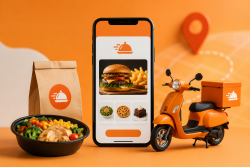
The food delivery industry has experienced tremendous growth over the past few years, and the pace of innovation is only accelerating. As customer expectations continue to evolve, businesses must adopt advanced technologies and modern features to remain competitive. In 2026, food delivery apps will be smarter, faster, and more personalized than ever before. Businesses investing in
custom food delivery application development are increasingly focusing on AI-powered experiences, seamless ordering systems, advanced analytics, and customer-centric features that enhance convenience and drive engagement. Whether you're a restaurant owner, startup founder, or food delivery aggregator, understanding the latest food app development trends can help you stay ahead of the competition.
The Growing Demand for Smart Food Delivery Apps
Modern consumers expect more than just food ordering functionality. They want personalized recommendations, quick deliveries, secure payments, real-time tracking, and a seamless user experience.
To meet these expectations, businesses are embracing emerging technologies such as Artificial Intelligence (AI), Machine Learning (ML), cloud computing, automation, and data analytics. These innovations are transforming how food delivery apps operate and helping businesses improve customer satisfaction while increasing profitability. Let's explore the key trends shaping the future of food app development.
1. AI-Powered Personalization
Artificial Intelligence is becoming one of the biggest drivers of innovation in food delivery applications.
In 2026, AI-powered recommendation systems will become even more advanced. These systems will analyze customer behavior, order history, dietary preferences, and purchasing patterns to suggest highly personalized menu options.
Benefits include:Better customer engagement
Higher order values
Improved customer retention
Enhanced user experience
Customers are more likely to place repeat orders when they receive recommendations that match their preferences.
2. Voice Search and Voice Ordering
Voice technology is rapidly becoming a preferred method for interacting with mobile applications.
Food delivery apps in 2026 will increasingly integrate voice assistants that allow users to:
Search for restaurants
Browse menus
Place orders
Track deliveries
Reorder favorite meals
Voice ordering simplifies the ordering process and makes apps more accessible for users of all ages.
As smart speakers and voice-enabled devices continue to grow in popularity, voice-based ordering will become a standard feature.
3. Hyper-Personalized Customer Experiences
Customers expect food apps to understand their needs.
Advanced AI systems will help businesses deliver hyper-personalized experiences by considering factors such as:
Favorite cuisines
Dietary restrictions
Location
Ordering frequency
Seasonal preferences
Food delivery platforms will offer customized promotions, meal suggestions, and loyalty rewards that make users feel valued and understood.
This level of personalization significantly improves customer loyalty and engagement.
4. Real-Time Delivery Tracking Enhancements
Real-time tracking is no longer considered a premium feature—it's an expectation.
In 2026, food delivery apps will provide more accurate delivery tracking using AI and GPS technologies.
Customers will receive:
Precise delivery estimates
Live driver locations
Route updates
Delay notifications
Improved transparency helps build trust and enhances the overall customer experience.
5. Contactless and Digital Payments
The demand for secure and convenient payment options continues to rise.
Food delivery apps will increasingly support:
Mobile wallets
QR code payments
One-click checkout
Buy-now-pay-later options
Biometric authentication
Secure digital payment systems improve customer confidence while reducing transaction friction.
Businesses that offer multiple payment methods can cater to a broader audience and increase conversion rates.
6. Cloud Kitchens and Virtual Restaurants
Cloud kitchens are changing the food service landscape.
Unlike traditional restaurants, cloud kitchens operate exclusively for online orders and deliveries. They eliminate the need for dine-in spaces and significantly reduce operational costs.
Food delivery apps will increasingly integrate cloud kitchen networks to offer:
Faster delivery times
Expanded menu options
Improved operational efficiency
Better profitability
As online ordering continues to grow, cloud kitchens will become a major force in the food delivery ecosystem.
7. Predictive Analytics for Demand Forecasting
One of the biggest challenges in food delivery is managing fluctuating demand.
Predictive analytics helps businesses forecast customer demand by analyzing historical data and market trends.
Benefits include:Better inventory management
Reduced food waste
Improved staffing decisions
Enhanced operational planning
Businesses can prepare for peak ordering periods and ensure smooth service even during high-demand events.
Why Businesses Should Embrace These Trends
The food delivery industry is becoming increasingly competitive. Customers now have numerous options available, making it essential for businesses to offer exceptional digital experiences. Adopting the latest food app development trends can help businesses:
Increase customer satisfaction
Improve operational efficiency
Boost revenue growth
Enhance brand loyalty
Stay ahead of competitors
Investing in innovative technologies today can create long-term success in the rapidly evolving food delivery market.
Top Food App Development Companies to Consider
Choosing the right development partner is crucial when building a modern food delivery platform.
1. Code Brew Labs
Code Brew Labs is known for delivering innovative food delivery applications that incorporate AI, automation, real-time tracking, and advanced analytics. Their scalable solutions help businesses create seamless user experiences while supporting future growth.
2. Royo Apps
Royo Apps specializes in custom food delivery app solutions designed to meet unique business requirements. Their expertise in emerging technologies helps businesses launch feature-rich and customer-focused food delivery platforms.
3. Block Tech Brew
Block Tech Brew offers modern food delivery app development services with a strong focus on digital innovation, performance optimization, and scalable architectures. Their solutions are designed to help businesses improve efficiency and customer engagement.
4. Space-O Technologies
Space-O Technologies develops robust mobile applications that support food delivery businesses with user-friendly designs and reliable performance.
Conclusion
The future of food delivery app development is being shaped by AI, automation, personalization, predictive analytics, and sustainability. As customer expectations continue to rise, businesses must embrace these innovations to stay relevant and competitive. From AI-powered recommendations and voice ordering to advanced loyalty programs and cloud kitchen integrations, the trends dominating 2026 will transform how food delivery platforms operate. Businesses investing in custom food delivery application development can leverage these advancements to create exceptional customer experiences, increase efficiency, and drive long-term growth. As the industry continues to evolve, companies that adopt these technologies early will be best positioned to lead the future of food delivery.


 Locked