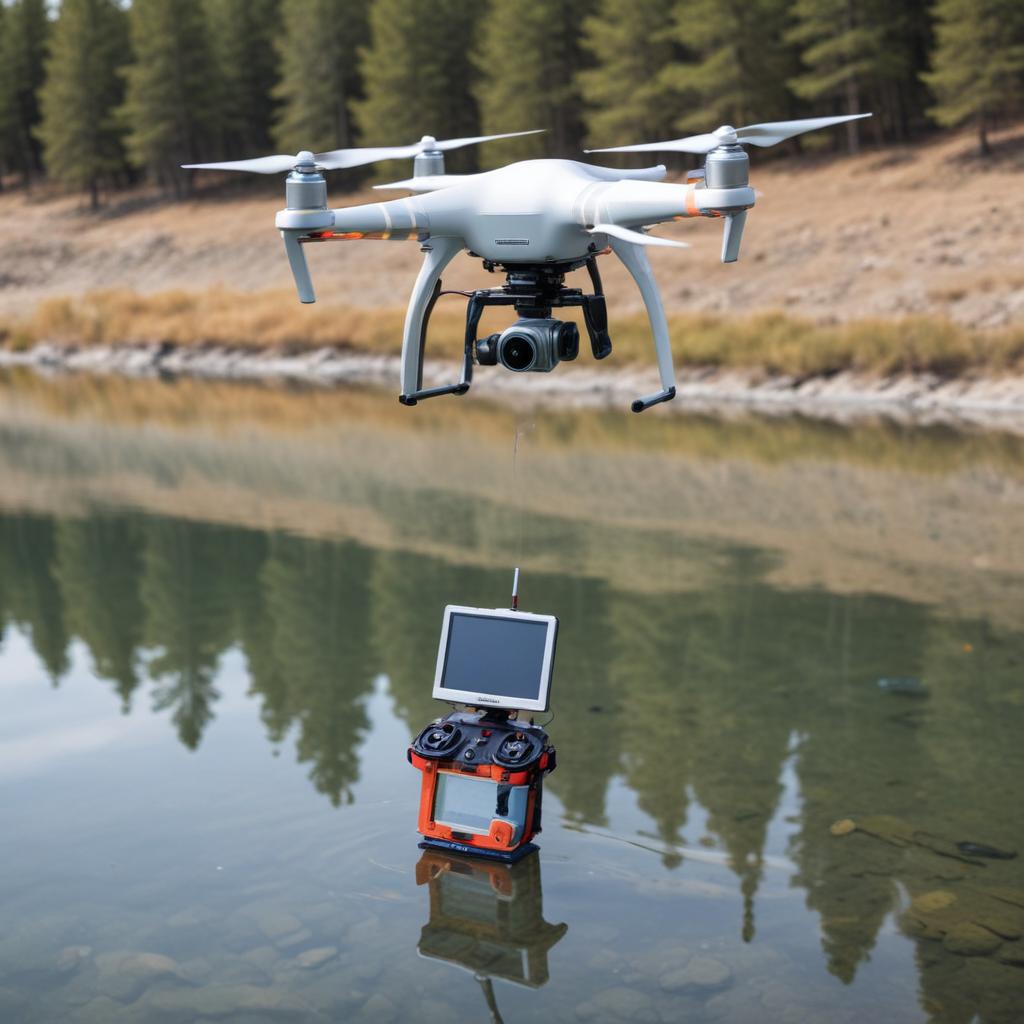
Have you ever wondered how scientists test water quality in places that are far away and hard to reach? Clean water is important for health, farming, and the environment. But sometimes, water sources are in places where people cannot go easily. This is where drones come in. Drones, also called unmanned aerial vehicles, are being used with water testing equipment to make this job easier and faster.
In the past, testing water in remote locations was difficult. People had to travel long distances to collect samples. It was time-consuming and sometimes even dangerous. Drones have changed this. They can fly to remote areas with water testing equipment. They collect water samples or take measurements directly. This saves time and reduces risks for workers. It also allows testing in places where human access is limited.
One big advantage of drones is speed. A drone can reach a remote lake or river within minutes. It can carry small water testing devices to check things like pH level, temperature, or chemical content. Some drones even send real-time data back to scientists. This means experts can start analyzing water quality right away instead of waiting for samples to arrive.
Another benefit is cost savings. Using helicopters or boats for water testing in remote locations can be very expensive. Drones cost much less to operate. They also require fewer workers in the field. With lower costs, testing can be done more often, giving a clearer picture of water quality over time.
Safety is another big reason for using drones. Remote areas can have wild animals, rough weather, or dangerous terrain. Drones keep workers away from these risks. They can reach locations without putting human lives in danger. For example, drones can collect water from rivers with strong currents or lakes in mountainous regions.
Technology is also making drones smarter. Some drones now have built-in sensors to test water on the spot. They can measure pollution levels, temperature changes, or harmful bacteria without carrying water back to a lab. This allows quick decisions if there is a water quality problem. In case of contamination, authorities can respond faster to protect people and animals.
Environmental scientists are also using drones to study climate change. Remote lakes and rivers often show early signs of environmental problems. Drones with water testing equipment help monitor changes in these water sources. This information helps governments plan better water management policies and protect ecosystems.
To make drones safe for this work, some steps are important. Operators need training to handle drones properly. The drones must be checked before each flight to avoid accidents. Weather conditions should be studied before flying to prevent crashes. Also, water testing equipment must be attached securely so that samples are not lost. Following safety rules ensures both accurate testing and safe operations.
Another point is data security. Drones collect sensitive information about water quality. This data must be stored safely so it is not lost or misused. Using secure communication systems between drones and monitoring centers can help protect the data.
In the future, drones may become even more advanced. Solar-powered drones could stay in the air longer, covering larger areas. AI-powered drones might analyze water quality data themselves before sending reports. This would make the process even faster and more efficient.
Using drones with water testing equipment has made it easier to study water in remote locations and for this, best Partner is Apex Instrument. It saves time, reduces costs, improves safety, and gives faster results. With proper training, safe handling, and advanced technology, drones will continue to help protect water resources around the world.


 Locked